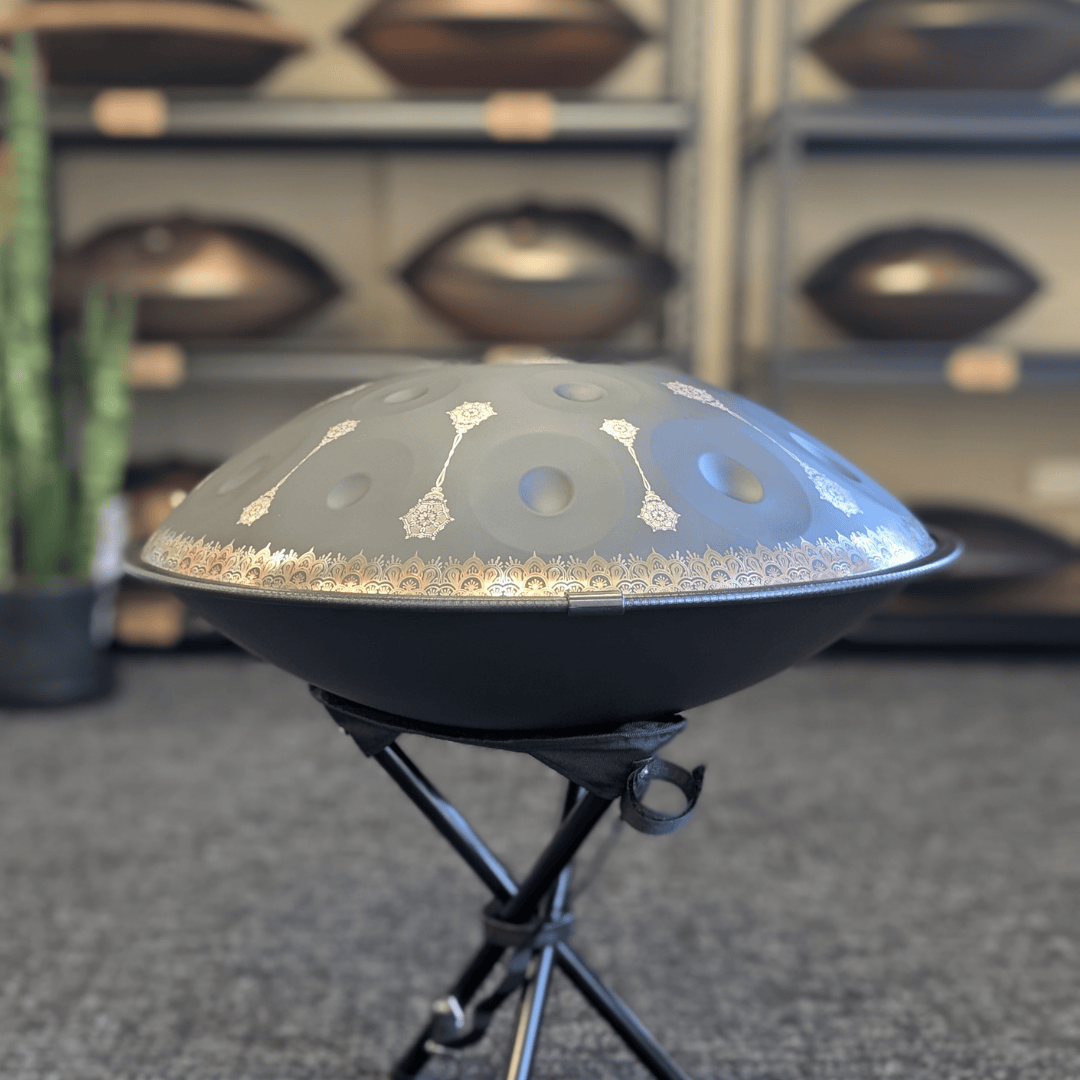
Should I Buy a Chinese-Made Handpan?
A Clear, Honest Guide for Beginners in Australia
Before we begin, one important truth: with handpans, the difference between price tiers is very real. Higher prices usually mean better steel, more stable tuning, richer harmonics and a far more inspiring experience.
If you have the budget, spend as much as you comfortably can.
But many beginners can’t justify spending $2,000–$5,000 on their very first instrument — and with so many $300–$800 options appearing online, it’s completely natural to wonder whether starting cheap is okay.
That’s where this guide comes in.
If you have been researching handpans, you’ve probably seen the same warnings everywhere: “Don’t buy anything under $1,000” or “Never buy a Chinese-made handpan.” It can feel like unless you spend thousands, you’re not “allowed” to begin. That’s not true — but the reality isn’t as simple as “cheap is fine, just go for it” either.
I’m Tiffany, founder of Melodic Forest (Little Kalimba Shop). I work closely with makers in China and Europe, test every model we carry, and watch real beginners walk into our Sydney showroom, touch a handpan for the first time, and fall in love. My goal is to give you a clear, honest picture of the landscape so you can make the decision that feels right for you.
The Price Reality in Australia
Once you add shipping, GST and customs,
- almost every brand-new full-size handpan under about AU$800–$900 that lands in Australia comes from Chinese factories.
- More than 80% of full-size handpans under AU$2,000 are also made in China.
- Handpans made in Australia or Europe usually cost somewhere between AU$3,000 and AU$5,000 by the time they reach your door, sometimes more.
For many beginners, that price is simply out of reach. At the same time, marketplace platforms are full of very cheap options around $300–$500. It is completely natural to wonder: is it okay to start with one of these? Or am I wasting my money?
Why So Many Cheap Handpans Disappoint
When we spoke with experienced Chinese makers about why there are so many poor-sounding handpans on Amazon, Temu and similar platforms, the answer was simple:
"Most sellers demand the absolute lowest price possible. If a maker cannot hit that price, the seller simply goes to another factory."
On these platforms, price and algorithm trends are everything. Many sellers follow keyword tools, list whatever is hot, and often do not really know what they are selling. To survive, they must win the “cheapest price” game.
To reach those ultra-low prices, factories are pushed to save money in every step.
- Cheaper steel.
- Less to no hand-hammering.
- Very little time spent stabilising overtones.
- Minimal quality checks.
- Sometimes the pan is even made smaller or flatter just to reduce the shipping cost.
The result is a “handpan-shaped object” that looks convincing in photos but does not sing the way a real handpan should. That does not mean makers in China cannot build world-class instruments. In fact, some of the best premium handpans we have tested are made there, and their top makers are improving at an astonishing speed.
Several big international brands now have part of their ranges built in China. The issue is not where it is made. The issue is what was ordered, how low the price was pushed, and how much time the maker was paid to spend on tuning.
What Actually Matters When You Choose Your First Handpan
For beginners under about AU$2,000, three things matter more than anything else.
1. Do not chase the absolute lowest price.
We have tested instruments that looked almost identical online: same colour, same rope, similar photos. One sounded deep and warm. Another sounded thin and harsh. Another drifted out of tune within weeks. The difference was not the photo; it was how much real tuning time the maker was allowed to put in.
2. Do not judge by colour, rope or packaging.
Most beginner-level makers order their bags, ropes, boxes and instruction booklets from the same accessory suppliers. This is why so many handpans come with very similar cases, rope, stickers and little booklets. Those booklets are often generic, full of incorrect information, and tell you nothing about the tuning quality.
3. Always hear the instrument before you buy, if you can.
The best option is always to visit a showroom and hear the pan in person. If you are buying online, listen to a clear, honest recording of the exact handpan you are getting. Ideally one continuous video with no heavy reverb or editing. If you cannot hear it at all, you cannot really know what you are buying.
If Your Budget Is Around AU$300–$500
If your maximum budget right now is about AU$300–$500, I genuinely do not think anyone should look down on you. Music is meant to be accessible. If that is where you are, that is where you are.
However, from what we have seen, it is very hard to get a stable, full-size, steel handpan at that price that can survive Australian shipping and beginner playing.
Affordable pans often sound okay at first, especially in the maker’s own videos, but beginners naturally hit harder than needed, which can make a lightly tuned pan drift quite quickly. On top of that, these instruments usually receive less stabilising work, so they are more sensitive to bumps and drops during transit.
In our testing, many beginner-level pans sounded noticeably better in the maker’s hands than when they finally arrived in Sydney. Our couriers are not the gentlest in the world, and cheaper tuning simply does not cope as well.
A Smarter Alternative at This Budget: Hluru Mini Handpan Tongue Drum Hybrid
If you are curious about the handpan but your budget is fixed in that AU$300–$400 range, one very good option is to start with a Hluru mini handpan–tongue drum hybrid instead of a full-size cheap handpan. It looks like a small handpan, but the notes are cut as tongues in the steel, which makes it very robust and reliably in tune.
The note layout is similar to a full-size handpan, so your fingers learn the same shapes and patterns. You can play it gently with mallets for a soft, meditative sound, or practice hand technique for more rhythm and expression. If you can eventually make this instrument sound good with your hands, you will sound beautiful when you move onto a full-size handpan later.
At around AU$300, this kind of mini hybrid gives you a solid, well-tuned instrument that will last, instead of gambling the same money on a full-size pan that might arrive sounding like a wok or drift quickly out of tune.
If you are open to this idea, you can explore our mini handpan / tongue drum here:
Mini Handpan / Steel Tongue Drum (D Minor)
What If You Still Really Want a Full-Size Handpan at That Price?
Some people simply want the full-size handpan experience, and I completely understand. If you have your heart set on a cheap full-size pan and your budget cannot move, then my honest advice is:
Choose the seller very carefully. Avoid the absolute rock-bottom listing. Make sure the return and exchange policy is truly easy, so if the pan arrives already unstable, you are not stuck.
And keep your expectations realistic about resale value and long-term tuning. These cheap pans are almost impossible to sell later and usually lose most of their value — and if tuning issues appear (which they often do), getting it retuned or repaired in Australia can cost more than the pan itself.
It is not “wrong” to try. Just go in with your eyes open and protect yourself with a solid return option.
How Our RIZA Line Is Different from Cheap Marketplace Pans
Now I want to be transparent. I run a handpan business. But this guide is written to help you make informed decisions wherever you buy, not just from us.
The big question many people have is: if your beginner line is also made in China, how is it different from a cheap Amazon or Temu handpan?
The short answer: we spend years choosing the right makers, pay them more so they can spend extra time tuning, and add strict quality control in our Sydney workshop — along with unparalleled aftercare on top.
For our RIZA beginner series, we tested a few dozen beginner-level makers over several years. Some instruments sounded promising but were unstable. Some simply did not hold tuning in Australian conditions.
We slowly narrowed down to makers who not only have the skill, but are also willing to work to a higher standard than what the marketplace demands.
We then offered to pay more per instrument on the condition that they use better shells and spend more time carefully tuning and stabilising each pan. We do not ask for the cheapest price; we ask for the best affordable quality they can give us.
Once the instruments arrive in Sydney, we check them again in our showroom before they shipped out to customers.
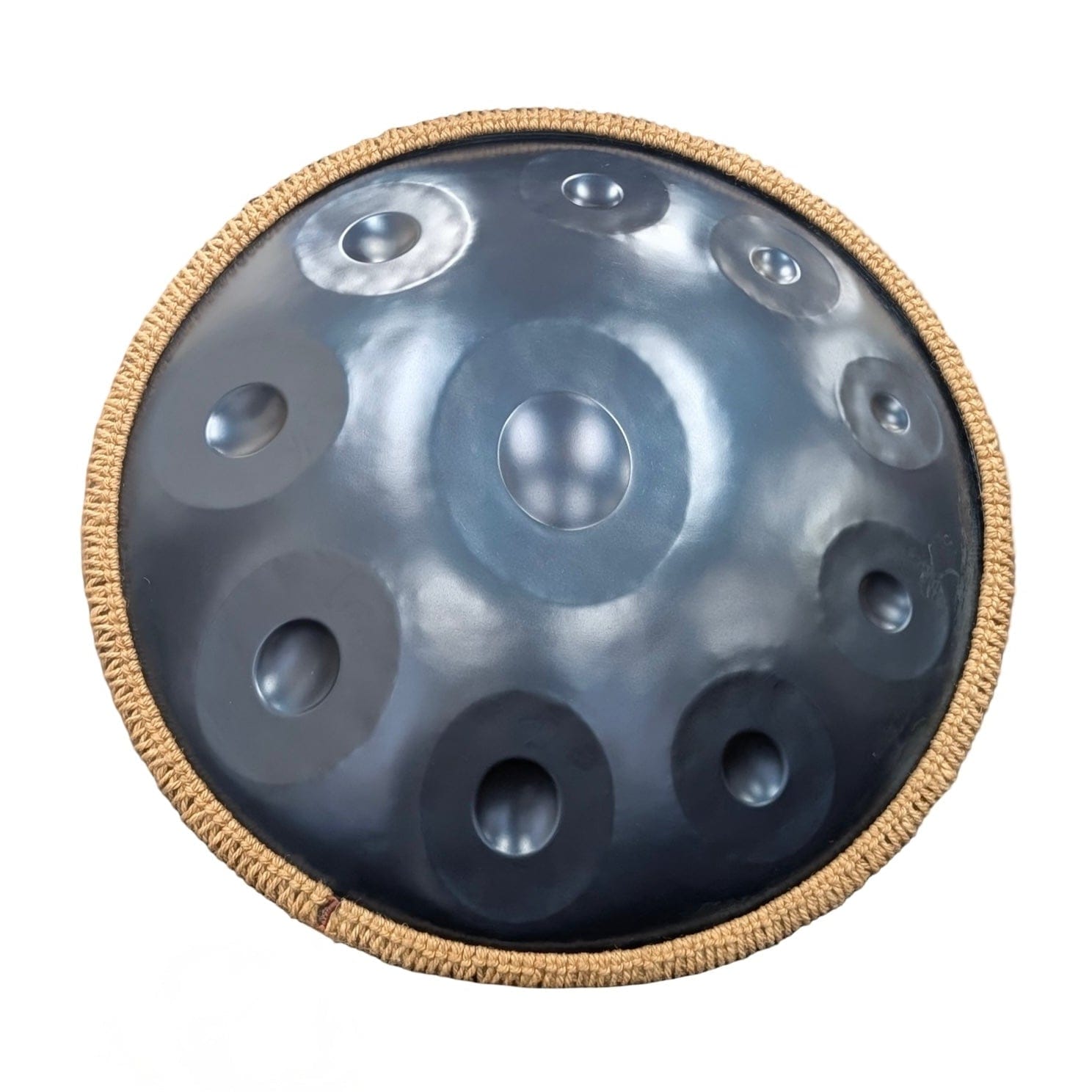
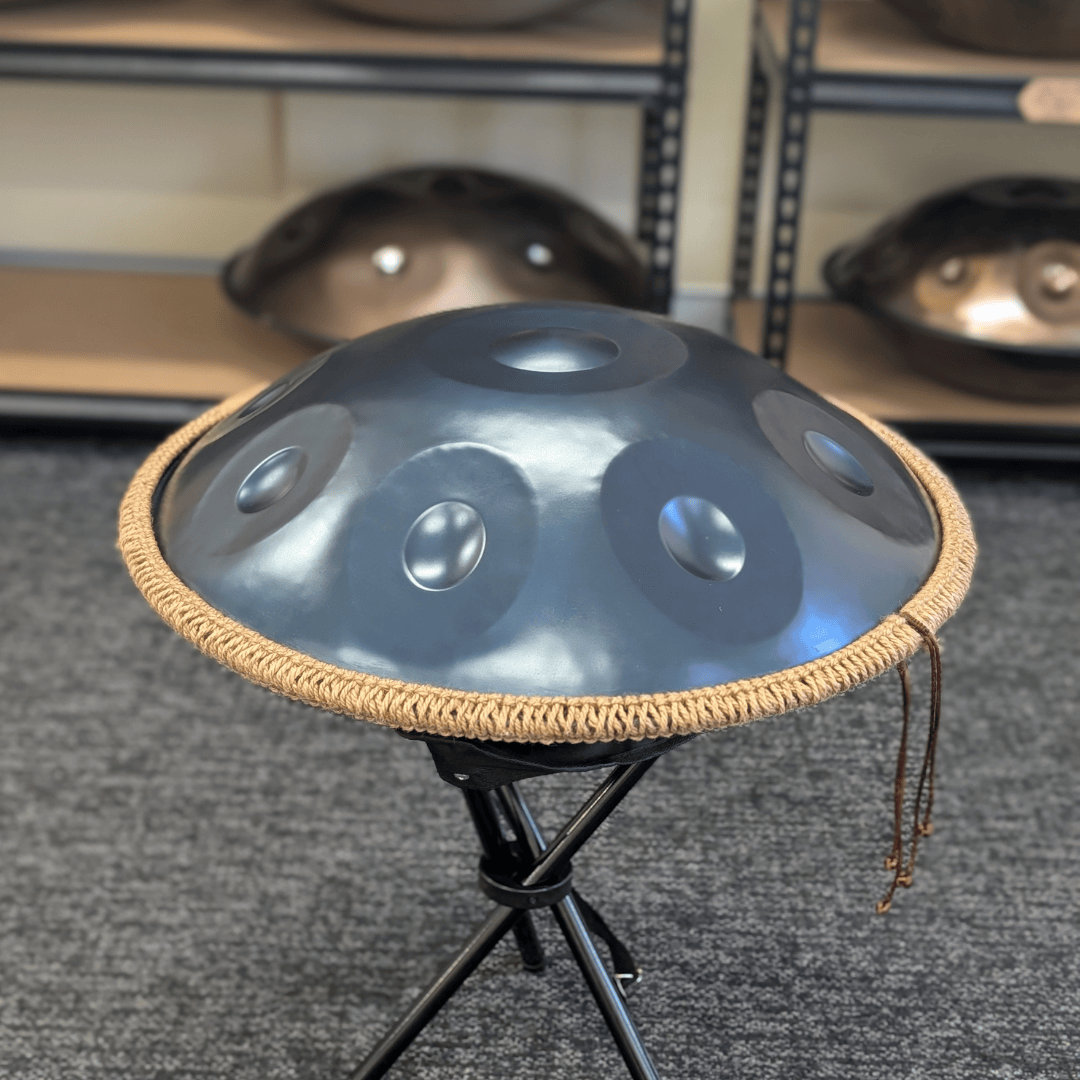
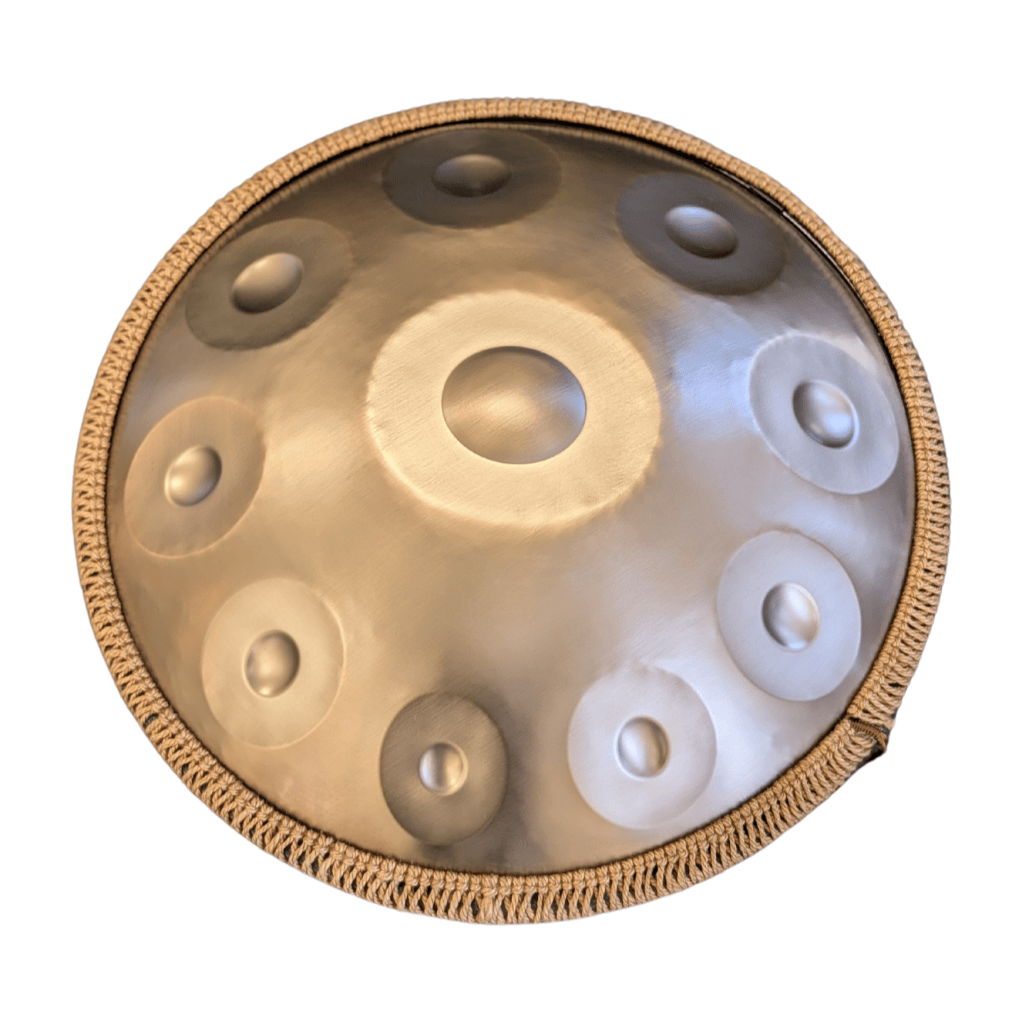
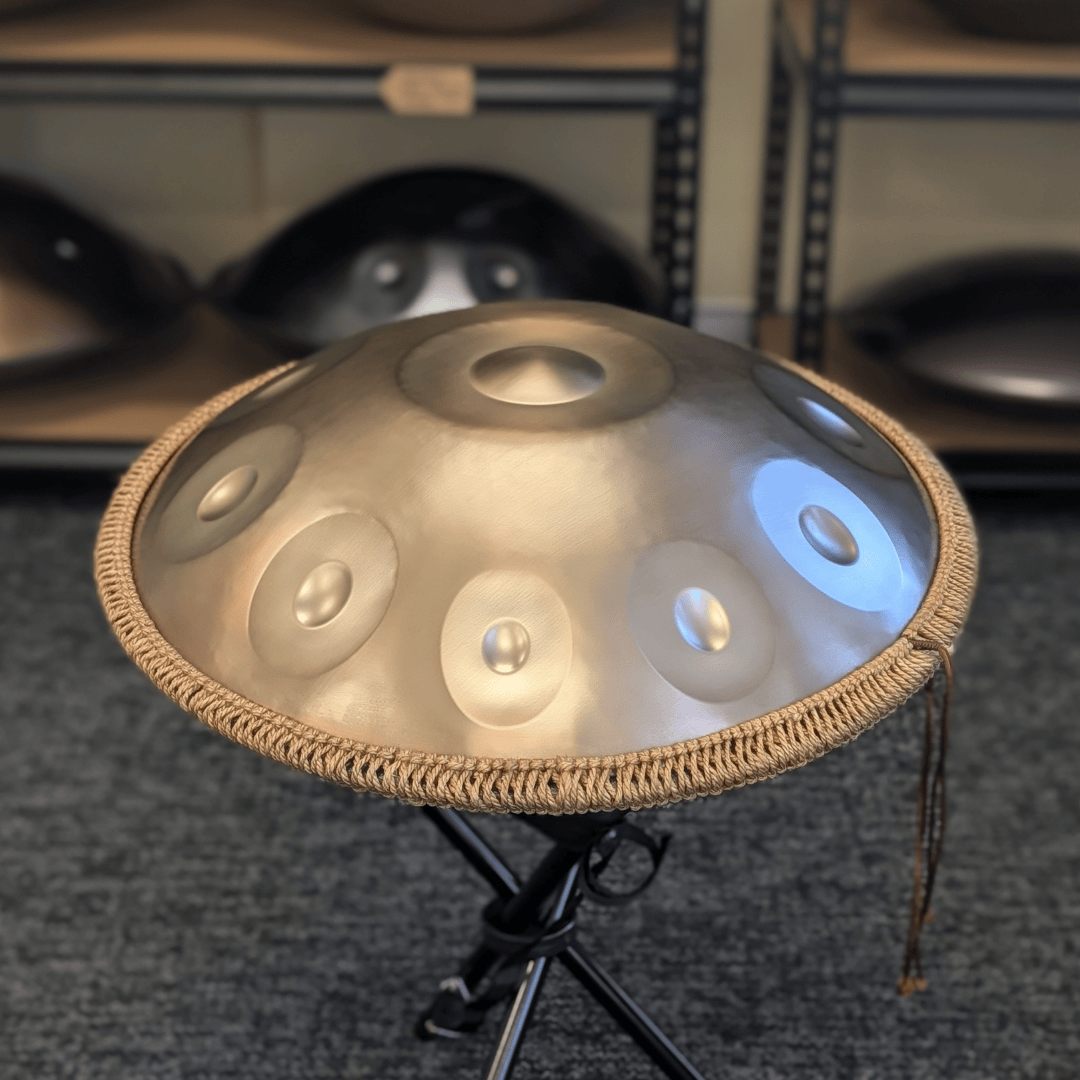
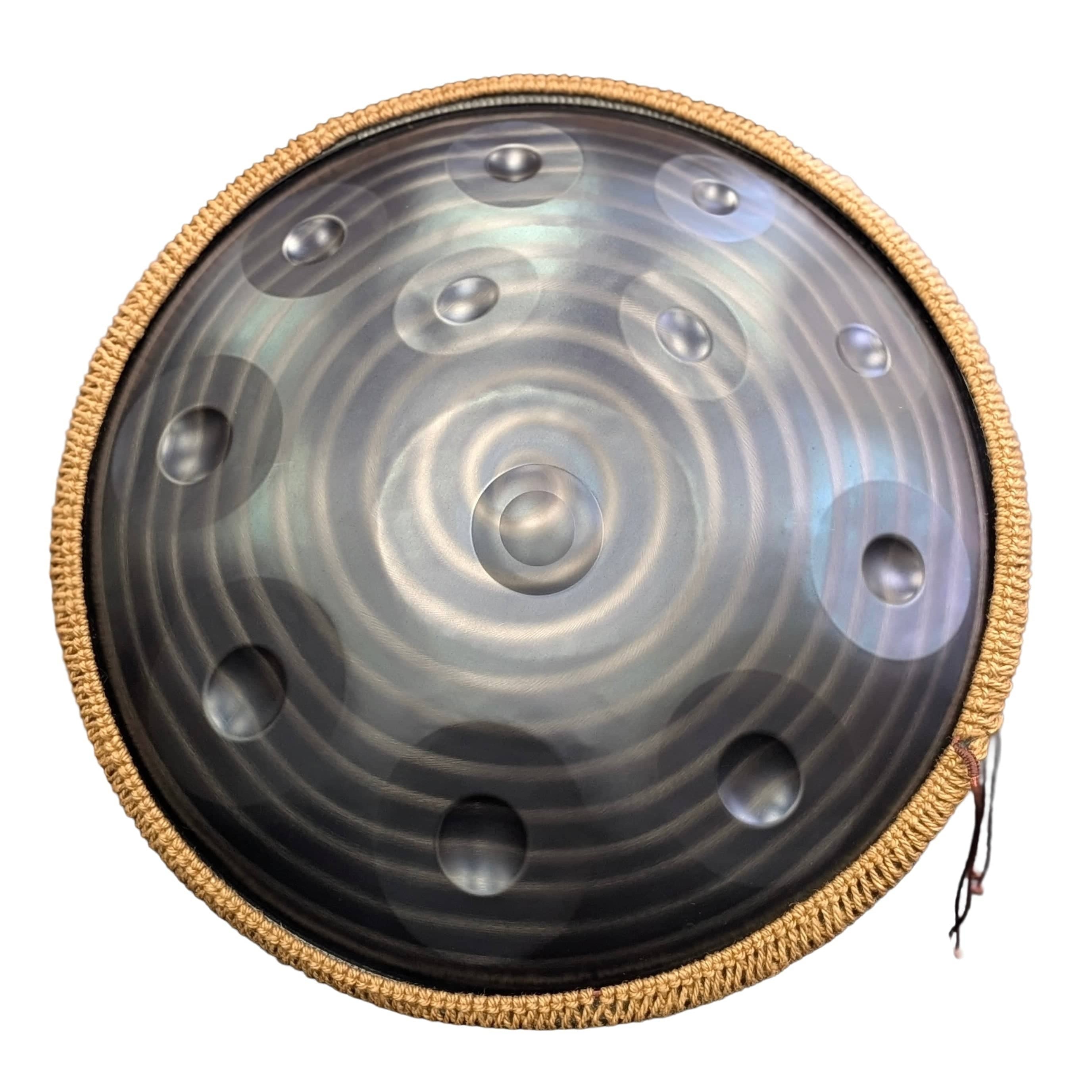
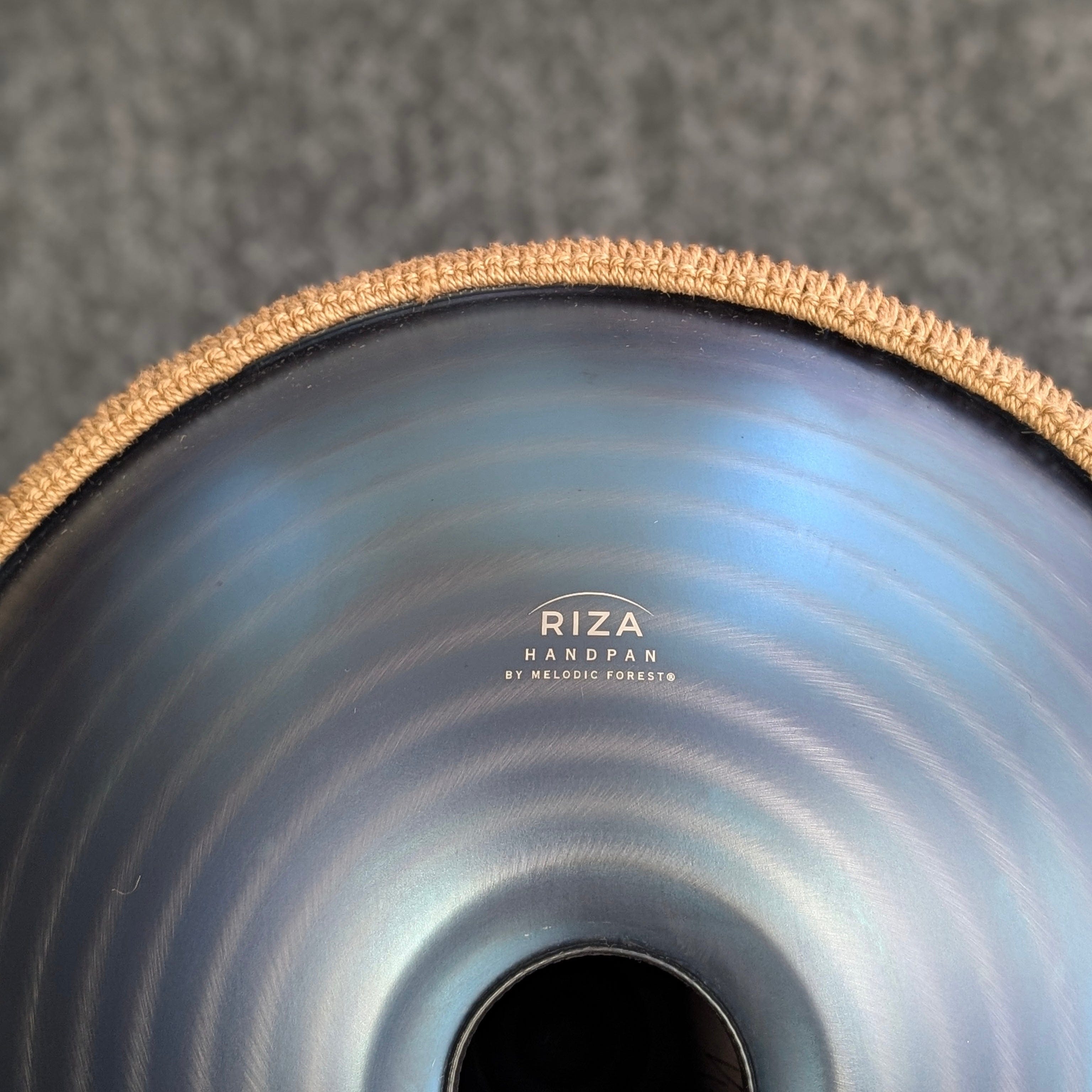
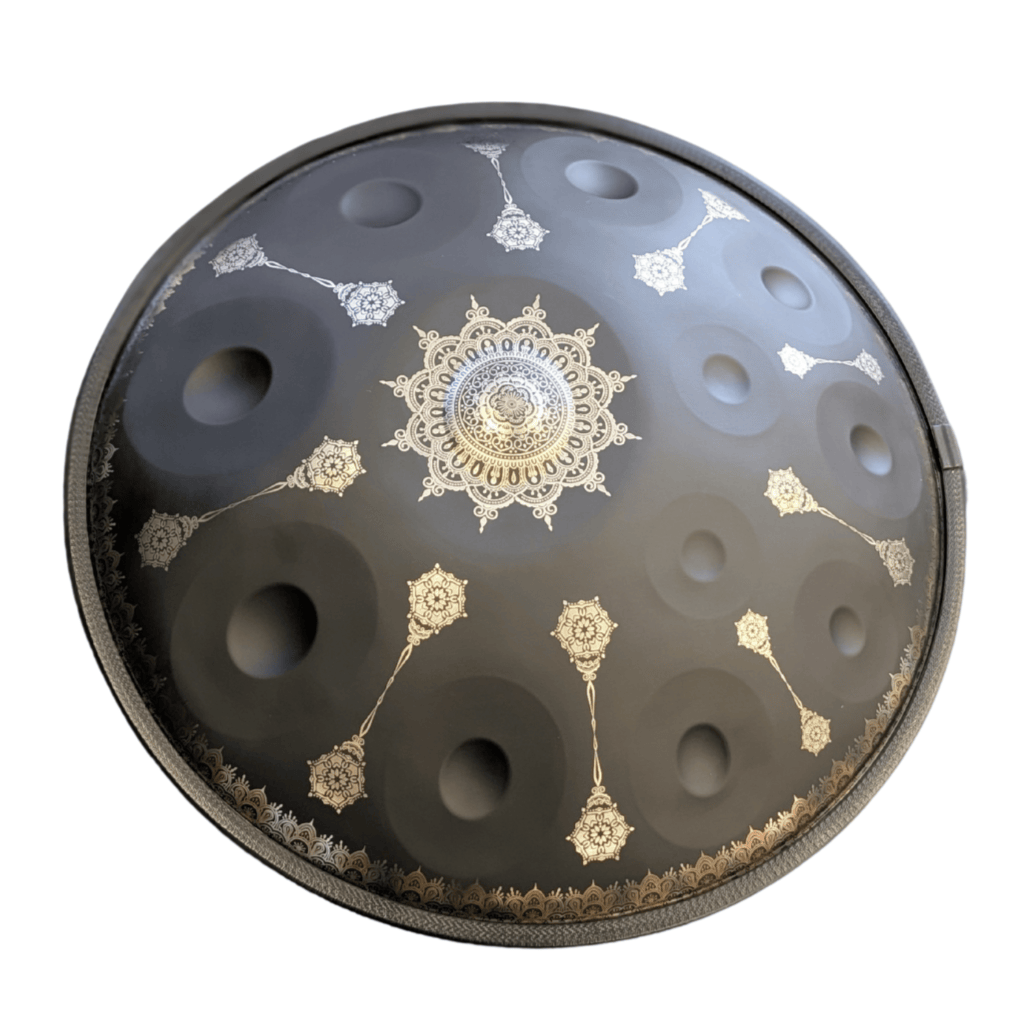
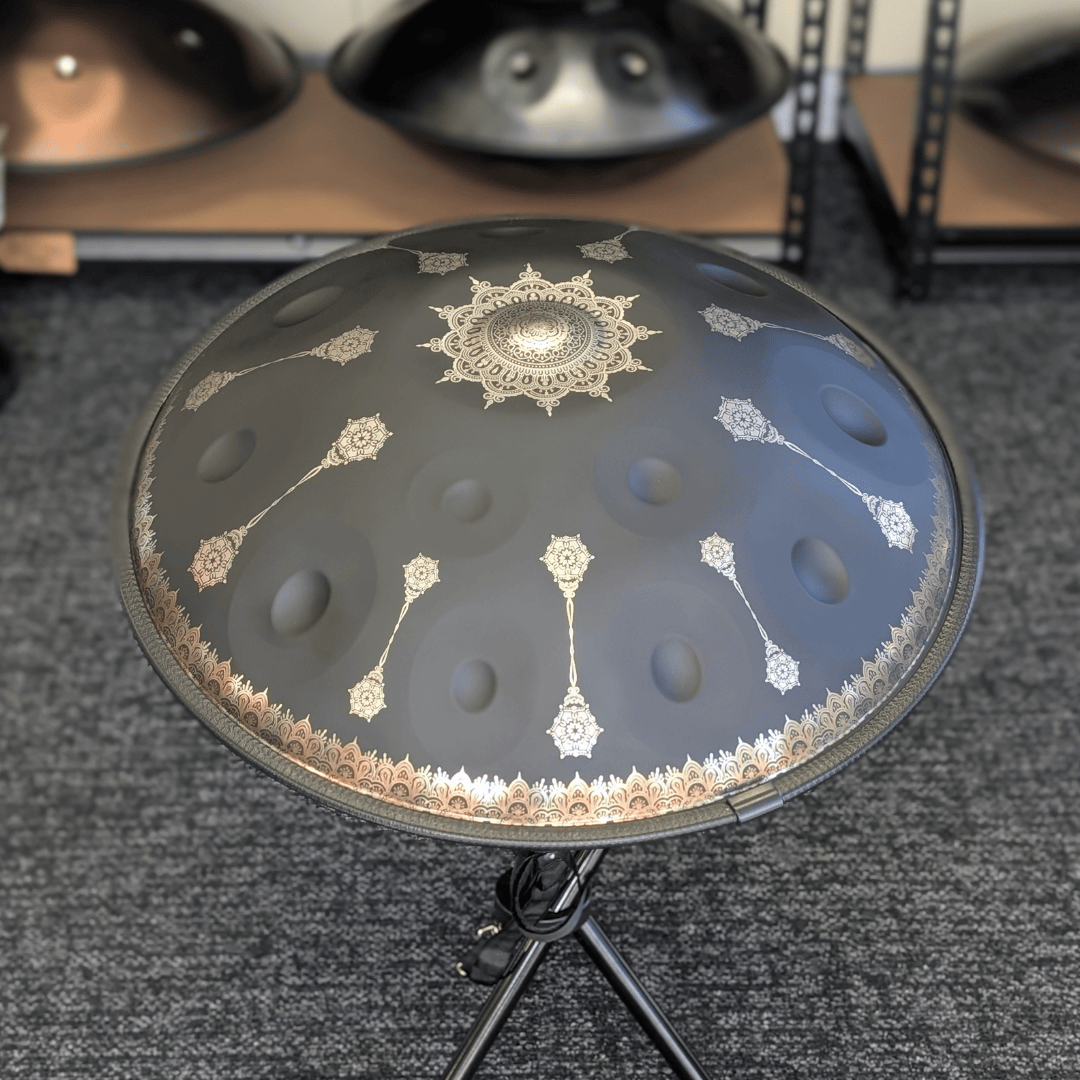
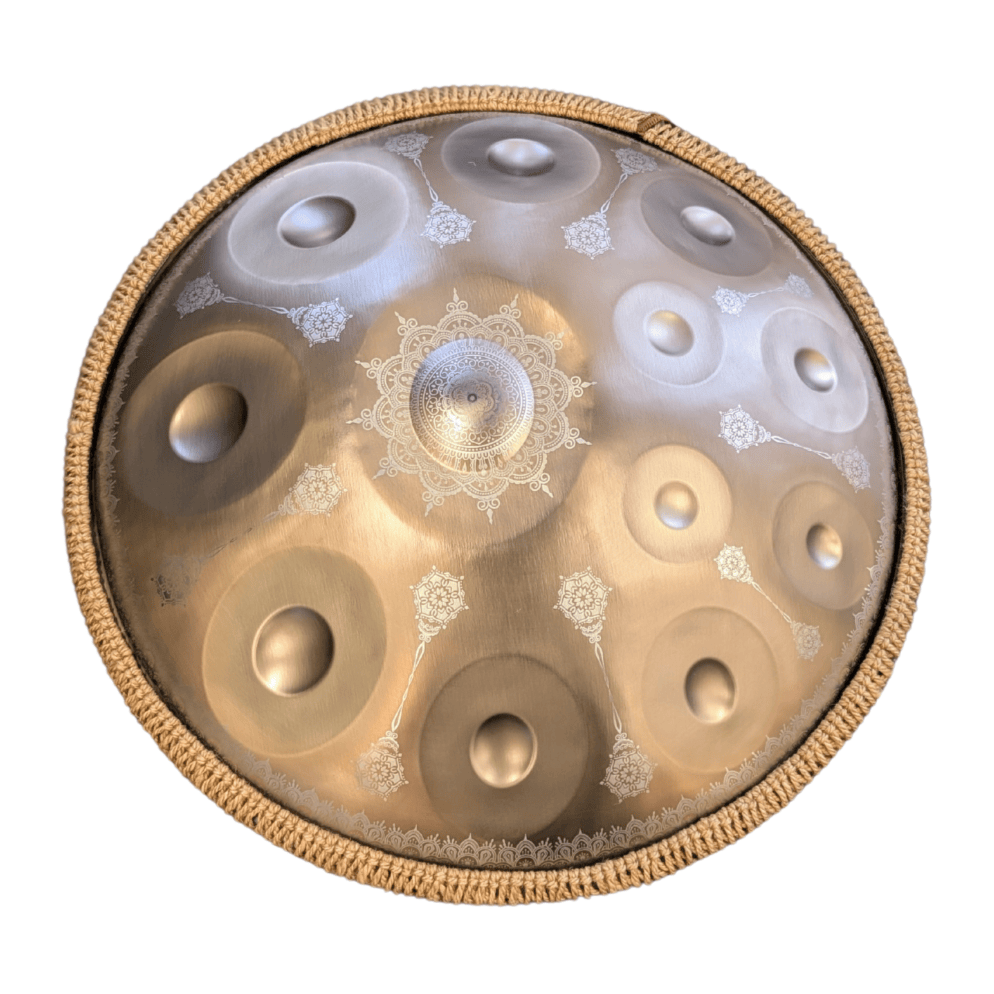
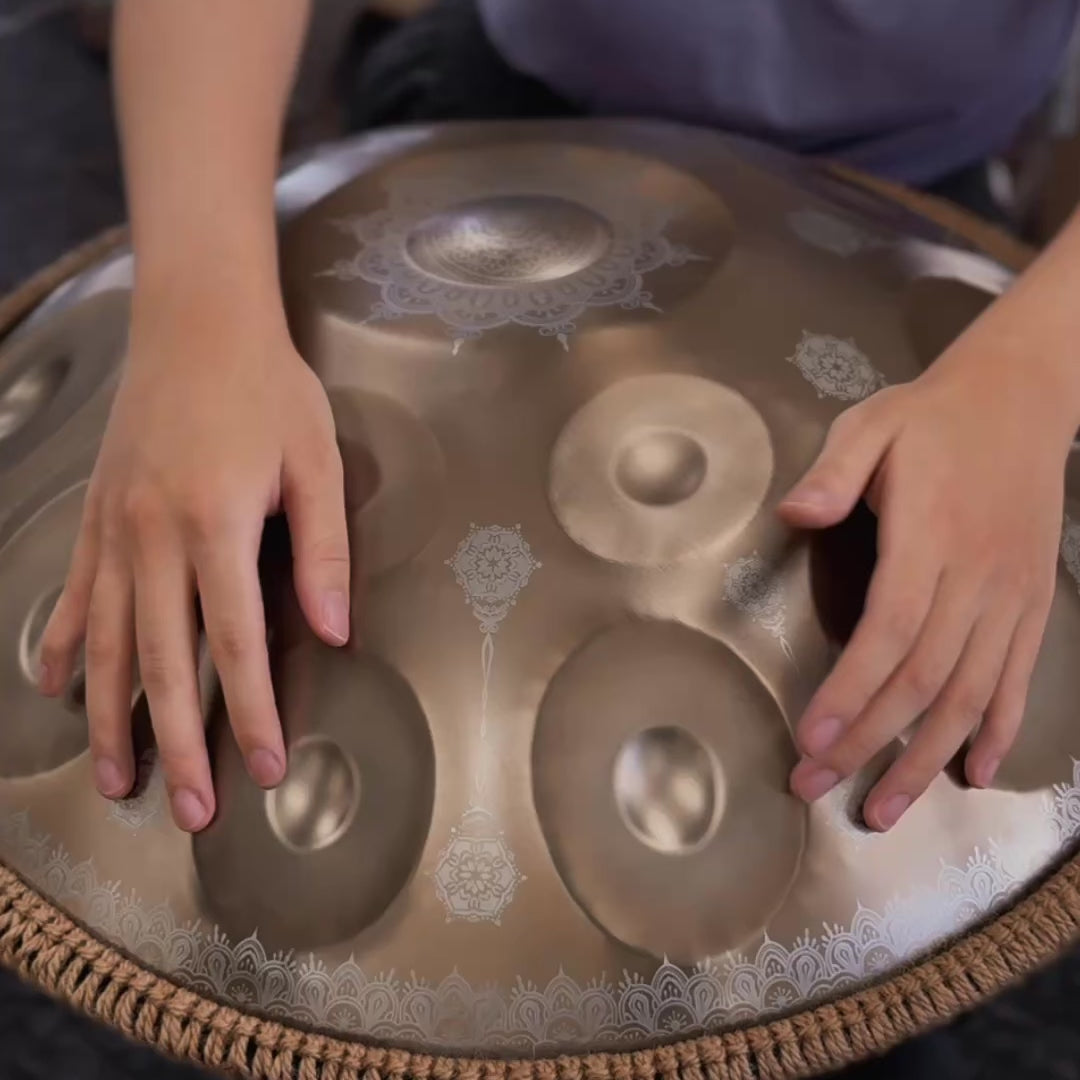
RIZA is priced from around AU$599 for a 10-note model and AU$799 for a 12-note, with options in 440 Hz and 432 Hz. They are still made by human hands, still carry hammer marks and character, but the goal is clear: a genuinely musical, beginner-friendly handpan with far less risk than a random marketplace listing.
If you want to read more about the RIZA story, you can find it here:
RIZA Handpan – A Beautiful Beginning for Your Handpan Journey
Our YULA Line: For When You Are Ready to Go Deeper
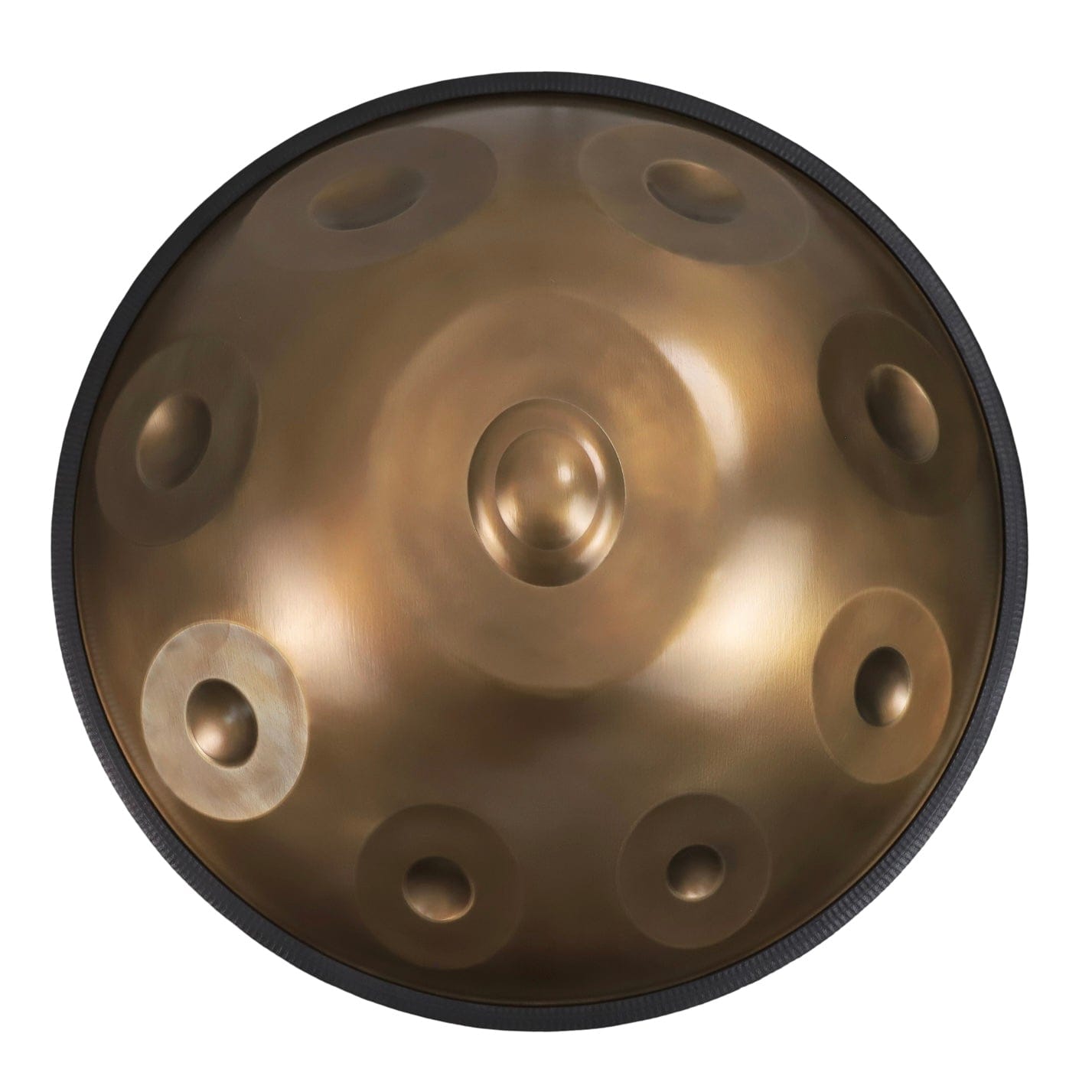
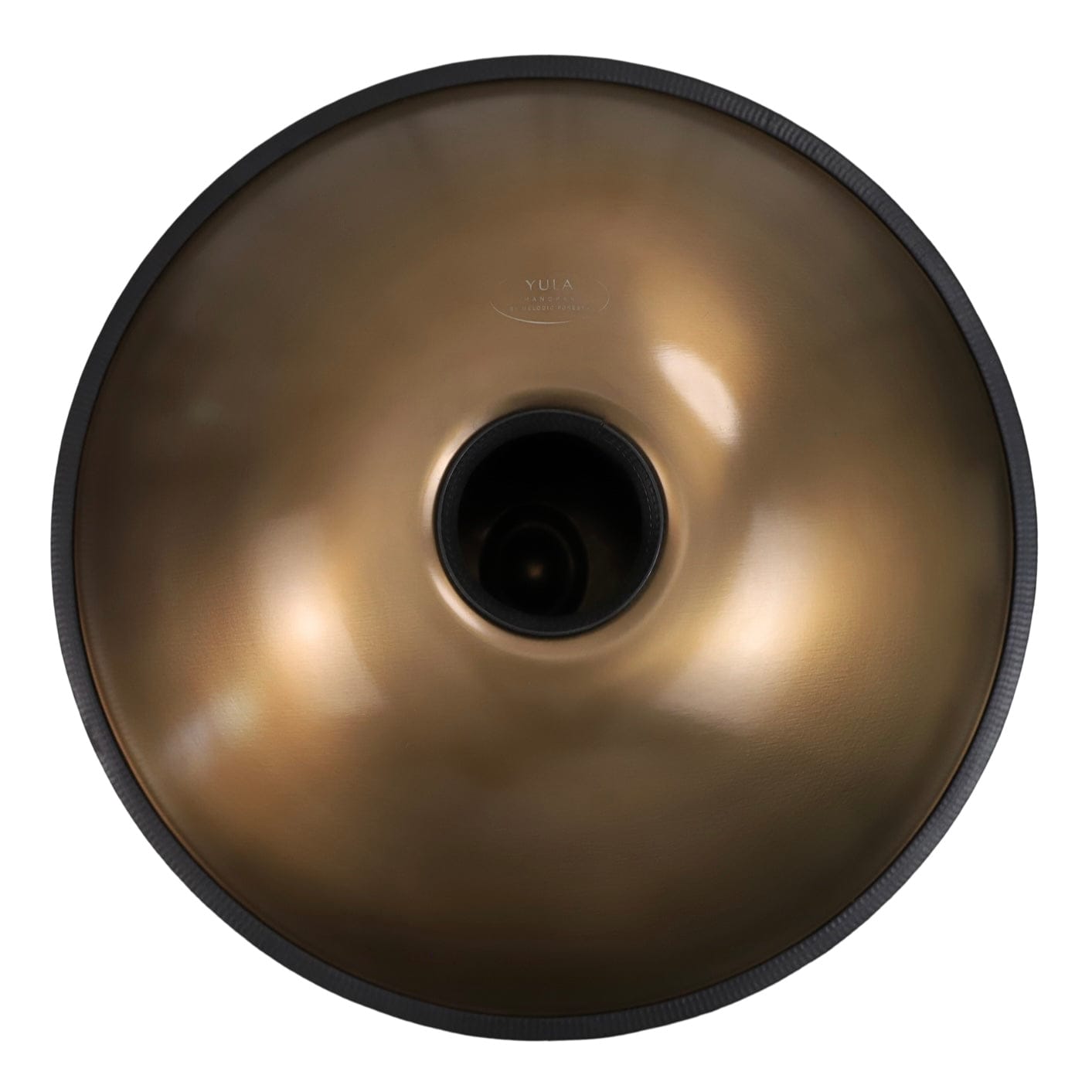
Once people fall in love with the handpan, they often want more: more resonance, more sensitive response, more interesting scales, sometimes double-sided models. That is why we created the YULA line.
YULA handpans are made by top-tier makers we work with closely, many of whom also build instruments or parts for well-known European and US brands.
The sound is a clear step up from the beginner level: longer sustain, richer harmonics, more balanced tone across the scale, and a strong feeling of “aliveness” under the hands.
In the YULA series you will find popular scales and tunings in both 440 Hz and 432 Hz, 9-note and 10-note models, and more advanced options, all the way up to 20-note double-sided instruments and exotic scales.
Prices range roughly from just over AU$1,000 to around AU$5,000. Our goal is to offer the most inspiring sound we can at each price point, without reaching into the very highest, most inaccessible price ranges.
Premium Makers We Carry: Metal Sounds and Battiloro
Alongside our RIZA and YULA lines, we also import instruments from some of the top makers in the world. At the moment, this includes handpans and Spacedrums from Metal Sounds in France, and beautiful handpans from Battiloro in Italy.
Each of these makers has a very distinctive voice, design and way of shaping sound. It is a real joy to experience them side by side.
Our hope is to add more premium makers over time. Because we have a physical showroom in Sydney, you are welcome to come in, sit down, and feel the differences yourself.
Videos on YouTube can be helpful, but nothing replaces holding the instrument on your lap and hearing it respond to your hands.
How We Support Beginners at Every Stage
All of this choice can still feel overwhelming, so we keep our support very simple and kind.
We offer a 90-day money-back guarantee on our handpans. You can take your time at home. If the sound does not resonate with you, you can send it back.
We offer a one-year replacement warranty for significant tuning drift that happens on its own during normal use, with no sign of impact or damage. If it should not have gone out of tune and it did, we replace it rather than sending you into a long repair process.
We also have a full-credit trade-in policy for customers who start with a RIZA beginner handpan and later want to move into YULA premium model. Your first handpan becomes a stepping stone, not a regret.
And when we have enough instruments needing work, we fly our maker to Sydney for onsite tuning and repairs at below-market rates. That way, you always have someone you can reach out to within Australia if you need help.
Final Thoughts
Handpans used to be a tiny, exclusive world with very few makers, long waiting lists and second-hand instruments selling for over AU$10,000.
Today the landscape is changing. More makers have joined the craft. Some are building extraordinary instruments. Others are still learning and improving. And yes, some are simply trying to sell as cheaply as possible on big platforms.
I believe this evolution is healthy. Entry-level instruments do not destroy the art, they expand its circle. More beginners mean more students, more future makers and tuners, and a larger, more sustainable market for premium builders.
A tiny community stays tiny. A growing one carries the sound further.
If you are a local handpan teacher, maker or tuner in Australia, we would truly love to connect with you. The more we cooperate, the easier it becomes for everyone in this country to access good instruments, lessons and care.
And if this instrument is calling you, start where you are. Choose as wisely as you can with the budget you have. Curiosity, kindness to yourself and regular playing will take you much further than any price tag 🧡
Warmly,
Tiffany 🌿
Founder, Melodic Forest / Little Kalimba Shop


Leave a comment
All comments are moderated before being published.
This site is protected by hCaptcha and the hCaptcha Privacy Policy and Terms of Service apply.